Showing posts with label Stalk Vegetables. Show all posts

Mar 25, 2014

Rigatoni with Garlicky White Beans


So here we are several days into spring and I'm still cooking and craving winter foods. And why is that, you may very well ask? Because Mother Nature has decided to ignore the astronomical calendar and instead snow is predicted tonight. That's right, snow. At the end of March.

But instead of whining (or, at least to distract me from it), I've gotten back into the kitchen and revisited a delicious pasta and beans dish I adapted from Smitten Kitchen two months ago but never posted. This was the perfect occasion to remake it, perfect the pictures and write it up! This recipe is hearty and infinitely adaptable. You can use virtually any kind of pasta and any kind of bean. It's a great change of pace from tomato sauces and, even though it's vegan, it's definitely stick-to-your-ribs food. You can serve it with garlic-rosemary oil (instructions below), as we did the first night, but it's also delicious as is, reheated (or not) for leftovers. You can also swirl in a spoonful of pesto, homemade or from a jar. If you are eating peppers, I recommend a dash of red pepper flakes. And if you do want some meat, cook up an Italian sausage (sweet or spicy depending on your mood), chop it up and mix it in with the pasta. Leftovers also make a phenomenal soup. Bon appetit!

Pasta with Garlicky White Beans
adapted from Smitten Kitchen

In a food processor, chop together onion, carrots, celery, 5 cloves garlic, parsley and pepper. (Be careful -- it goes quickly from chopped to pureed.). In a heavy pot over medium heat, heat 1/4 cup olive oil. Add chopped vegetables and sprinkle with salt. Cook 10 minutes, stirring occasionally so they color but don't burn or stick to the bottom of the pot. Add tomato paste, stir, and cook 1 minute. Add water or vegetable broth and scrape up any browned bits from the bottom of the pot. Simmer 5 minutes.

Add beans and 2 other cups water or vegetable broth. Simmer 15 minutes.

While beans cook, boil water and cook rigatoni according to package directions. Drain well, reserving 1/2 cup cooking liquid.

Once beans are cooked and tasty, take out 1 cup and add it, along with 1/2 cup pasta cooking liquid, into food processor (no need to clean it in between uses!). Puree, then stir back into beans along with rigatoni. Mix well.

While waiting for everything to come together, remove rosemary leaves from stalk and crush remaining 3 cloves garlic. In a small saucepan over medium-low heat, heat final 1/4 cup olive oil. Add garlic and rosemary and cook just until starting to color, 2 minutes. Pour hot oil over rigatoni in bowls. Enjoy!

Links:

Feb 23, 2014

Chard, Red Lentil & Potato Slow Cooker Soup


I don't know what the weather's been like where you are, but here in NYC, this winter has been a BEAST. Every time we think we're getting a respite (like today when it's sunny and in the 50's), it lasts for a couple of days and then, just when we're starting to relax, we're hit with another polar vortex and temperatures drop down thirty degrees overnight and stay that way for another week.

My favorite season is summer and I really do not handle cold weather well. So my first inclination at times like these is to hibernate and not leave the house (or my bed) again until spring. Sadly, that's not an option. But I can make soups -- warming, delicious, vegetable-filled, stick-to-your ribs soups, to be exact. Like this one that I adapted from Oh My Veggies, a fabulous vegetarian food blog that I just recently stumbled upon.

I had an enormous bunch of chard that was starting to wilt and so I wanted an easy way to use it up but I needed to be in and out of the house all day. However, I still wanted to come home to a hot meal. That, my friends, is a perfect time to dust off your slow cooker, fill it up and forget about it while you do sundry other things like go to work, defrost yourself and do laundry. Ah, laundry. Because the more clothes you have to wear, the more you have to wash (yet another reason to prefer summer).

But this soup only dirties two dishes -- your slow cooker and a skillet to saute the aromatics. And if you're lucky (and I am), both of those can go into the dishwasher. So, really, what have you got to lose? If you have the extra time, soak the lentils overnight with some kombu (or, if you're really good about planning ahead, even do it for a few days so they can sprout). If not, no worries -- they'll be just as delicious. I prefer red lentils for this soup since they melt down into the broth, making it into more of a stew. For extra protein, serve with chicken or, to make it heartier, over rice. Turn leftovers into lasagna. Bon appetit!

I'm making this my submission for Wellness Weekend, hosted and created by Ricki Heller!


Chard, Lentil & Potato Slow Cooker Soup
adapted from Oh My Veggies

If you have time, soak lentils and kombu in a clean bowl with enough cold water to cover them by several inches, for anywhere from 1 hour to 3 days. If going the sprouting route, change water 3 times/day.

Drain lentils and set aside. Heat oil in a large skillet over medium-low heat. Add onion, celery, carrots, garlic and Swiss chard stems and cook, covered, 8 minutes.

Place cooked aromatics, lentils, potatoes, broth and liquid aminos into slow cooker. Stir so everything is nicely mixed up together and cook 8 hours on low.

When cooked, stir in Swiss chard leaves and raise slow cooker temperature to high. Cover and cook an additional 5-10 minutes until chard is soft and has integrated into the soup. Serve, topped with salt and pepper. Enjoy!

Links:

Feb 14, 2014

Fennel, Celeriac, Parsley and Red Onion Salad

I'm spoiled. I live in New York City, surrounded by wonderful supermarkets (I have three to choose from everyday, not to mention the two that I choose not to frequent because there are better options) and one to two Greenmarkets within walking distance as well as countless others a short subway ride away. I can get fresh vegetables (in and out of season) and, while I try to eat seasonally to keep costs down and quality up, I don't fret about it too much if one of us has a hankering for eggplant or tomatoes in the middle of February.

As for how this affects my cooking, unless we're having company over, I try not to buy too many ingredients for any one meal (another side of keeping costs and waste down). So I take for granted that I'll have flavorful ingredients that don't need much to make them vibrant and tasty.

But this salad brought all these facts starkly into relief. A simple winter salad, it's a delightful mix of fennel, celeriac and parsley, all tied together with a simple olive oil and lemon juice dressing and sprinkled with toasted pumpkin seeds. Sounds perfect, no? Well, it was good but neither my celeriac nor my fennel was anywhere near as flavorful as it should have been. So, while it was tasty, it wasn't fantastic. As the vegetarian put it, "The flavors are all good but they're so quiet!"

So why, you might ask, am I even sharing this with you? Because it is good. And it's a winter salad (which is exceedingly rare. And, if you make it with exceptionally fresh ingredients (like from a garden if you're lucky enough to have one), it will be phenomenal.

I'm entering this in Raw Foods Thursday on Gluten-Free Cat. Join us!

Fennel, Celery Root, Parsley and Red Onion Salad
adapted from the Washington Post

Preheat oven to 350 degrees. Toss pumpkin seeds with 1 tablespoon olive oil. Roast 6 minutes. Set aside and let cool.

In a large bowl, toss together celeriac, fennel, onion and parsley. Add oil, lemon juice, sea salt and pepper and mix well. Taste and adjust seasonings as needed.

Serve, sprinkling each portion with pumpkin seeds and avocado. Bon appetit!

Additions? If you want to add some protein, a can of tuna is a delicious addition. This also works nicely on a sandwich with some sliced turkey.

Drink? A glass of Riesling.

Links:

Dec 11, 2013

Red Quinoa, Roasted Celery, Brussels Sprouts, Cippolini Onions and Dulse Salad with Pumpkin Seeds and Lemon Juice


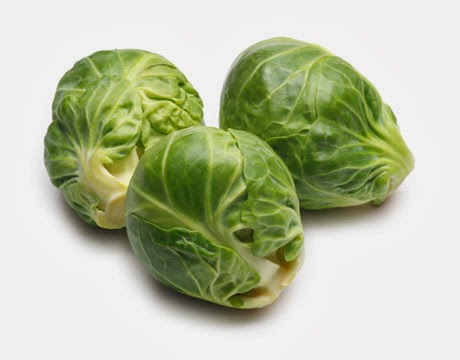
Most kids, when asked for their least favorite food, immediately say "Brussels sprouts"! When I talk to adults about Brussels sprouts, however, they usually tell me how pleasantly surprised they were to find like Brussels sprouts because of their bad rep (although spinach was always one of my favorite foods and Mom would have to make an extra batch of it just for me because I had no desire to share). I don't really remember them being a regular feature on our dinner table though, if they were ever served, I'm share I ate them because I ate everything. Except sun-dried tomatoes. But more on that another time.


One thing I know is that they're actually quite tasty! For me, I think I assumed that I didn't particularly

The first time I really remember getting into Brussels sprouts was where I got into most foods and cooking in general -- while I was living in Paris. I wish I could say that I fell in love with Brussels sprouts because of some incredible French chef at a little bistro that I stopped into but, really, I first had them because I saw a big bin of them at my local produce store and they were by far the cheapest green vegetable available for sale on that cold winter day. I had gone to the store with a French friend who said "Choux de Bruxelles? Vraiment?? But I thought Americans hate them!"

"I'm a good cook and they're cheap," I replied. "How bad could they be?" He responded that I was finally a vraie parisienne.

I don't really remember how I made them that night, but they were probably simply cooked with butter and lardons and really what could be bad with those two additions? After that night, however, they became a regular addition to my table, to the relief of both my stomach and my wallet.

Because not everyone (including the vegetarian) is such a fan of Brussels sprouts, for this recipe I shredded them and mixed them with quinoa, onions and other goodies. Bon appetit!


Red Quinoa, Roasted Celery, Brussels Sprouts, Cippolini Onions and Dulse Salad with Pumpkin Seeds and Lemon Juice
inspired by Eat to Live Cookbook
Rinse quinoa to remove bitter coating. Drain. In a medium saucepan, combine quinoa and water. Bring to a boil. Reduce heat and simmer, uncovered, 15 minutes. When cooked, remove from heat (it will have absorbed the water) and let sit until you've finished the vegetables.

Heat a large saute pan over high heat. When very hot, reduce to medium and add onions. Sear for no more than 5 minutes and remove to a bowl.

Add celery and Brussels sprouts and saute 5 minutes. Add garlic, pepper, dulse, goji berries and pumpkin seeds and saute 1 more minute. Add onions back into the pan along with lemon juice. Saute, scraping up any browned bits that are sticking to the bottom of the pan. Add black pepper, reduce heat to medium-low and cover, cooking another 5 minutes or until vegetables are as tender as you like them.

Add thyme, parsley and quinoa and toss together until herbs are evenly distributed and quinoa is warmed. Excellent served either warm or at room temperature. Enjoy!


Links:

Apr 12, 2013

Pan-Roasted Asparagus with Lemon and Garlic


Spring has sprung! Today was the first warm, sunny days in months that actually made me want to spend as much time as possible outside, soaking up the magnificent (and all-but forgotten) warm sunshine.

What do you crave in spring? I often think in terms of colors and I crave light green foods, especially asparagus. The first heralds of spring (often appearing in markets, as they did this year, when the month at the top of each calendar page is at odds with the weather outside), they help pull me out of my annual winter doldrums and remind me that this, too, shall pass and there will be wonderful warm days again when I can once more revel in our beautiful terrace, our personal oasis in the upper extremities of Manhattan that almost makes our commutes worthwhile.

But back to asparagus. While most people grew up blanching or boiling them, my family always roasted them in a hot oven until they became slightly caramelized. Delicious! But what about those days when your oven is otherwise occupied or you just don't feel like turning it on? That, my friends, is when you turn to pan-roasting.

I served these four times in the past three weeks: at our monthly cooking adventure, alongside Iranian Shrimp with Turmeric, Saffron, and Lemon Juice and Persian Dill and Lima Bean Rice; at both Passover seders (without the Parmesan cheese) and at an impromptu Game of Thrones gathering we hosted last weekend. And, while the vegetarian doesn't like asparagus, everyone else gobbled them up. They're wonderful warm or at room temperature and equally tasty with and without the parmesan cheese. Bon appetit!

Pan-Roasted Asparagus with Lemon and Garlic


Cook asparagus, olive oil, water and garlic in a large lidded pan over high heat, uncovered, for 2 minutes. Toss asparagus (tongs are the best for this), cover, and cook 1 minute. Remove lid, toss again, return lid and cook 5 minutes. Add lemon juice, toss again, season with salt and pepper and shave parmesan on top. Enjoy!

Links:

Jan 4, 2013

Winter Minestrone


Happy New Year! I hope you enjoyed some time off. We certainly did! We celebrated for two weeks with friends and family and even got some alone time in (a trip up to Poughkeepsie where we first met and where we discovered a fantastic 50's diner/juice bar). All in all, it was a great month!

The only thing wrong with it, in my opinion, was the weather. Brrr! I am not a fan of cold and so winter is always tough for me (as evidenced by all the braised beans I kept making). It's so hard to be inspired you're cold and there's no exciting produce at the greenmarket. This month, I'll definitely make an effort to bring greens back into our diet but, in the meantime, I want to share this fabulous minestrone with you.

A thick, warming bean soup, chock full of vegetables and even some quinoa pasta, this soup is a meal in itself. It's fantastic sprinkled with crispy pancetta but, if you're serving vegetarians or anyone else who doesn't eat pork, it's just as good without. Serve with garlic bruschetta and Cranberry and Vanilla Bean Mimosas. Bon appetit!

Winter Minestrone
adapted from Barefoot Contessa Foolproof: Recipes You Can Trust

Heat olive oil in a heavy pot over medium heat. Add pancetta (if using), reduce heat to medium-low and cook 6 minutes, stirring occasionally, until crispy. Remove and set aside. Add onions, carrots, celery, squash, garlic and thyme, raise heat to medium (if you lowered it for the pancetta) and cook 8 minutes, stirring occasionally, until onion is translucent.

Add tomatoes, chicken stock, bay leaf, salt and pepper. Raise heat and bring to a boil then lower and simmer, uncovered, 30 minutes, until tomatoes are falling apart.

Remove bay leaf and discard. Add beans and pasta and simmer 2 minutes, until beans are heated through. Add spinach and simmer, stirring, another 2 minutes, until spinach has wilted. Stir in wine and pesto. Serve sprinkled with cheese and, if desired, reserved pancetta and additional extra-virgin olive oil. Enjoy!

Links:

Nov 24, 2012

Cranberry Bean Meatballs with Garlic and Allspice


When I was stuck at the airport in Burbank, trying to get home to the vegetarian after Hurricane Sandy,  I stopped into a 24-hour bar to get some dinner before my red-eye. It was the only place still open at the airport and I figured I could get a salad. But once I looked at the menu, the one thing that kept jumping out at me was spaghetti with meatballs. It wasn't gluten-free and it was overly rich and not very good but it was comforting, warming and perfect.

Since then, I've been thinking about how I can recreate spaghetti and meatballs for our gluten-free and vegetarian kitchen. The spaghetti part is the easiest -- we've become big fans of quinoa spaghetti and I'm (almost) starting to prefer it to some "regular" spaghetti. But meatballs? Neither of us likes using fake meat (although the idea of crumbled veggie burgers is one we still may try) and, anyway, I wanted these to be just as good (or better) than their meat counterparts -- not merely a substitute.


I made these with 2 cans of cranberry beans that I drained well and ground in the food processor. Unfortunately, they were softer than I had hoped and the food processor reduced them to more of a puree than a crumble. So next time I would use a harder bean (perhaps cannellini). So, even though these didn't stay together as well as we would have liked, the flavors were delicious. Serve over pasta with the Nero d'Avola you used in the sauce. Enjoy!

Cranberry Bean Meatballs with Garlic and Allspice
inspired by MyRecipes.com

"Meatballs"
Sauce:
In a large bowl, mix together carrots, salt, cornflake crumbs, crushed rice cake, parsley, basil, lemon zest, allspice, chili powder, black pepper, cranberry beans and garlic. Using your hands, mix until very well combined. Shape into ping-pong sized "meatballs", packing them tightly together.

Heat a large skillet over medium-high heat. Add olive oil and heat until it moves like water in the pan. Add "meatballs" and cook 1-2 minutes each side, until browned.

Add tomatoes, onions and garlic and cook 2 minutes. Add carrot, celery, red pepper flakes, Nero d'Avola, kosher salt and black pepper. Reduce heat to medium-low and simmer, covered, 6 minutes. Remove from heat and serve, garnished with basil and Italian parsley. Bon appetit!

Links:

Nov 19, 2012

Monthly Cooking Adventure: Stuffed Potatoes


We have too many cookbooks. Which shouldn't be that surprising, considering my mom's a trained librarian (and cookbook author) and the vegetarian's parents are bibliophiles. Some might say that, really, it was inevitable. But when you live in an apartment and have resorted to piling books up next to the bookcase and have completely given up on arranging them in alphabetical order (I told you my mom's a librarian), it's time to admit you have a problem.

So I've made a rule -- I have to use my cookbooks more. And I'm not allowed to buy any more unless I'm planning on using that one within the week. Which brings us to this month's Monthly Cooking Adventure, affectionately titled "We survived Hurricane Sandy."

Now, really, what better way to celebrate surviving a natural disaster than with comfort food? And, to me, comfort food means Jewish food. I wanted something really celebratory but not tied to any particular holiday. So I bought a new cookbook, Jerusalem: A Cookbook, filled with Palestinian and Jewish recipes from that mythical city. Beautiful photography and evocative spices -- this is one of the most taste-inspiring cookbooks I've ever seen.

So for our Monthly Cooking Adventure, we made two dishes: Stuffed Potatoes and Latkes. Ottolenghi and Tammi stuffed their potatoes with beef but I vegetarianized ours with chickpeas (half I still stuffed with beef). We had some stuffing left over which was delicious fried up as mini veggie (and beef) sliders. Serve over couscous, rice or rustic white bread with a spicy Cabernet Sauvignon.

I'm submitting these to Slightly Indulgent Tuesday and Gluten Free Fridays.

Stuffed Potatoes in Tomato Sauce
adapted from Jerusalem: A Cookbook

Tomato Sauce:
  • 2 tablespoons olive oil
  • 5 cloves garlic, crushed
  • 1 yellow onion, finely chopped
  • 2 stalks celery, finely chopped
  • 1 carrot, peeled and finely chopped
  • 1 chile colorado, finely chopped (optional)
  • 2 1/2 teaspoons caraway seeds, ground in a coffee grinder
  • 1 teaspoon allspice, ground
  • pinch smoked paprika
  • 1 1/2 teaspoons Hungarian paprika
  • 1 28-ounce can fire-roasted diced tomatoes
  • 1/2 tablespoon lime juice
  • 1/2 tablespoon lemon juice
  • 1/2 teaspoon kosher salt
  • 1/8 teaspoon black pepper
Stuffed Potatoes:

Start with the tomato sauce. Heat olive oil in a large, lidded frying pan (if you're doing two batches, do two pans) over low heat. Add garlic, onion, celery, carrot and chile (if using) and saute 10 minutes. Add caraway seeds, allspice and paprika and cook another 2 minutes, until very fragrant. Add tomatoes, lime juice, lemon juice, salt and pepper and bring to a boil then remove from heat and set aside while you make the potatoes.

In a bowl, combine beef (or chickpeas), cracker crumbs, onion, garlic, parsley, cinnamon, salt, pepper and eggs. Mix them very well, using your hands to make an even paste. The consistency should resemble meatballs or veggie burgers.

Using a teaspoon, hollow out potatoes (this is best done with a friend as it's mindless work but time-consuming), leaving a sturdy enough shell that the stuffing won't escape -- about 2/3-inch thick. Save potato innards for latkes or soup (they're in small enough pieces that you won't have to grate them). Stuff meat (or chickpea) mixture into potatoes, pushing it down so it's packed well and completely fills potato.

Return tomato sauce pan to a low flame and add potatoes, pushing them snugly into the sauce, filling facing upward. You will probably have to squeeze them very close together (or even use two pans). Just make sure they don't overlap. Add water (pour it gently!) to the sauce so that it just reaches the tops of the potatoes but doesn't cover the stuffing. Cover and let cook, simmering, for 1 hour. Remove lid and reduce 5 more minutes. Serve over rice (if desired), garnished with cilantro. Bon appetit!

Links:

Jun 4, 2012

BED: Moroccan Fava Bean and Vegetable Soup

Two and a half years ago, not long after the vegetarian and I started dating, I came down with mononucleosis. Being over 21, and therefore past the age at which people normally contract this disease, I was hit particularly hard and all-but confined to bed-rest for the next eight months. What a way to start a relationship!

Once I was allowed to resume my normal life, I did so with my usual gusto. Much to my chagrin, however, I found that my energy stores were much lower than they'd ever been before. Not to mention the fact that my immune system was now totally shot. So I experimented with different things -- vitamins, vegetarianism, a higher protein diet -- and, while there were glimpses of more energy, nothing worked long-term.

About a month ago, I was killing some time in Barnes & Noble and happened upon a book that promised to "rebuild my immunity": the Body Ecology Diet book. A skeptic, I nevertheless began reading the introduction and, much to my shock, I felt as though Donna Gates was describing my very symptoms. So I've put myself on the Body Ecology Diet, at least as well as it can fit into my hectic life.

The basic tenets of the diet are no sugars (including most fruits, some vegetables, no dried beans, no dairy and no gluten) and 80% of your plate should be non-starchy vegetables. Obviously some days (and meals) this is easier to follow than others. And living with a vegetarian who prefers grains and beans to vegetables has made cooking and meal-planning a challenge.

The good news, however, is that, frustrating as this has been, I've felt more consistently stronger and happier in the past three weeks than in the past two years. So, at least for now, this is the way to go. And don't worry -- our monthly cooking adventures will still be my monthly permission to myself to venture off. But for now, enjoy this soup with a Lemon-Chive Potato Salad and bon appetit!

Moroccan Fava Bean and Vegetable Soup

Heat 1 tablespoon olive oil in a large, heavy soup pot until it glides like water. Add leeks, onion, carrots and celery and cook, stirring, 5 minutes. Add radishes, potatoes, fava beans, water, 1 teaspoon salt and parsley. Bring to a boil, reduce heat, cover and simmer 45 minutes.

Puree using an immersion blender. Add 1/4 teaspoon pepper, turmeric and cilantro and bring to a simmer over medium-low heat. Reduce heat to low, cover and simmer, stirring, 30 minutes. Add remaining salt and pepper. Serve warm, garnished with cilantro and remaining olive oil. Enjoy!

Inspirational Links:

Mar 20, 2012

Stir-Fried Brown Rice with Salad Greens


In my ongoing efforts to like salad, I started thinking about other ways I could use salad greens. Everyone always has them raw, but what if I tried cooking them? There are many salad greens that do double-duty as cooked greens and raw greens (spinach, arugula, escarole and radicchio all come to mind) so why stop there? I've heard of wilted lettuce before so I decided to turn my spring salad mix into a stir-fry.

This was honestly one of the easiest and most successful dishes I've ever made. A (mostly) vegetarian friend stopped by last night and, since I can't resist feeding people, he happily stayed for dinner. And he couldn't stop raving about the stir-fry! The vegetarian's only complaint? That I didn't make enough. So, if you're feeding more than two, make extra!

To preserve the "salad" feel of the greens, I stir-fried them in olive oil along with 4 cloves of garlic (to add some heat). Make sure you have everything prepped and your rice cooked and cooled (you can even be lazy and buy already-cooked brown rice) before you start. We enjoyed it with Mixed Green Salad with Pecans, Goat Cheese, and Honey Mustard Vinaigrette, as well as a bottle of Vinho Verde. Bon appetit!

Stir-Fried Brown Rice with Salad Greens
adapted from Food.com
Serves 2 as a main dish, 4 as a side

Heat wok over high heat until smoking. Swirl in olive oil. Add greens and garlic and stir-fry for 2 minutes.

Remove greens and garlic to a bowl. Without cleaning out the wok (or removing it from the heat), add vinho verde, celery and mushrooms. Stir-fry 3 minutes.

Add rice, green onions and greens and garlic. Stir-fry until everything is heated through, breaking up the rice with your spatula if it's clumping together. Drizzle with soy sauce. Serve immediately.

Links to other salad green delicacies: